Definition of CDM in Construction
The CDM Regulations 2015 set out the legal requirements for managing health and safety on most construction projects in the UK, including building work, refurbishments, demolitions and infrastructure projects. CDM is a key part of wider construction compliance and is typically supported through structured CDM support or CDM Principal Designer involvement on more complex commercial projects.
They define how responsibility is shared across a project team, with duties assigned to key roles including the client, designers, contractors, principal designer and principal contractor. In many cases, organisations appoint Principal Designer services to help manage pre-construction health and safety obligations and ensure duties are correctly discharged.
For commercial projects, the client has a legal duty to ensure suitable arrangements are in place before work begins. This is often supported through experienced CDM consultant input, particularly where projects involve multiple contractors or phased delivery. This includes appointing competent duty-holders, providing relevant pre-construction information, and ensuring the project is properly planned and resourced.
Where more than one contractor is involved, the client must appoint a principal designer and principal contractor. The principal designer manages health and safety during the design and pre-construction phase, while the principal contractor is responsible for coordination and site safety during construction.
CDM ensures health and safety is considered throughout the entire project lifecycle, rather than being treated as a site-only responsibility once work begins. This is especially relevant in commercial refurbishment CDM projects, where existing building risks must be managed before work starts on site.

What are CDM regulations 2015?
The CDM regulations set out legal duties for those involved in construction work. According to the Health and Safety Executive, virtually everyone involved in a construction project has duties under CDM 2015. They form the basis of construction compliance requirements across the UK construction industry.
For commercial projects, the client has a particularly important role. A commercial client is an organisation or individual having construction work carried out as part of a business. Under CDM, commercial clients must make suitable arrangements for managing a project, including ensuring that dutyholders are appointed and that enough time and resources are available.
The regulations also define key dutyholders involved in a project, including designers, contractors, principal designers and principal contractors. Where more than one contractor is appointed, the client must ensure both a principal designer and principal contractor are in place. These roles are responsible for coordinating health and safety across the pre-construction and construction phases, respectively, ensuring risks are managed at each stage of the project lifecycle.
CDM applies to most construction projects in the UK where building work is taking place. This includes new builds, refurbishments, fit-outs, extensions, demolitions and infrastructure works. Even smaller commercial projects may fall under CDM depending on the nature of the work and level of risk involved.
Why CDM matters before constructiaon begins
One of the most common mistakes with CDM construction compliance is leaving it too late. The regulations are closely linked to decisions made before anyone arrives on site.
Design choices can affect access, maintenance, structural sequencing, temporary works, fire safety, public interface, welfare requirements and how contractors carry out their work. If those considerations are not addressed early, the project can become harder to manage once construction begins. These risks are typically managed more effectively when supported by a CDM Principal Designer or experienced CDM consultant early in the project lifecycle.
This can lead to delays, additional costs, avoidable redesign, confusion between contractors and increased risk on site. In commercial settings, it may also affect live business operations, customers, staff, tenants or members of the public.
A strong CDM process helps bring health and safety into the project from the start. It supports better communication between the client, design team and construction team, making it easier to identify risks before they become expensive or disruptive.
Failure to comply with CDM regulations can result in enforcement action, project delays and increased liability if incidents occur on site. It can also lead to poor coordination between duty-holders and higher overall project risk.

Who is responsible for CDM compliance?
CDM compliance is shared across the project team, but the client cannot ignore their own duties. Clear allocation of responsibility is a core principle of construction compliance under CDM 2015. For commercial clients, the regulations place responsibility on the organisation commissioning the work to make suitable project arrangements and appoint the right dutyholders.
The principal designer plays a key role before construction starts. This role involves planning, managing and coordinating health and safety during the pre-construction phase, particularly where design decisions could affect how the work is carried out.
The principal contractor is responsible for managing health and safety during the construction phase. This includes coordinating contractors, managing site risks and ensuring the construction phase plan is followed.
For clients, the important point is that CDM should not be treated as something separate from project delivery. It should sit alongside project planning, design coordination, contractor selection, cost control and site management.
CDM in commercial, retail and energy projects
CDM is especially relevant for commercial projects because they often involve complex site conditions. This makes CDM support particularly important on complex or multi-phase schemes. Work may take place in occupied premises, trading environments, shared access areas, car parks, industrial units or public-facing spaces.
For retail projects, there may be pressure to complete work quickly while protecting customer experience and limiting downtime. For energy and EV charging projects, there may be additional considerations around electrical infrastructure, site access, groundworks, utilities and future maintenance.
This is where experienced construction management can add real value. Countrywide Construction Management supports commercial, retail and energy projects across the UK, including project management, budget and cost control, risk management, quality assurance, on-site monitoring and CDM services. CCM also references CDM Principal Designer Services as part of its commercial and retail project support.
By integrating CDM with wider project management, clients can avoid treating compliance as a bolt-on task. Instead, health and safety responsibilities can be built into the way the project is planned, procured and delivered.
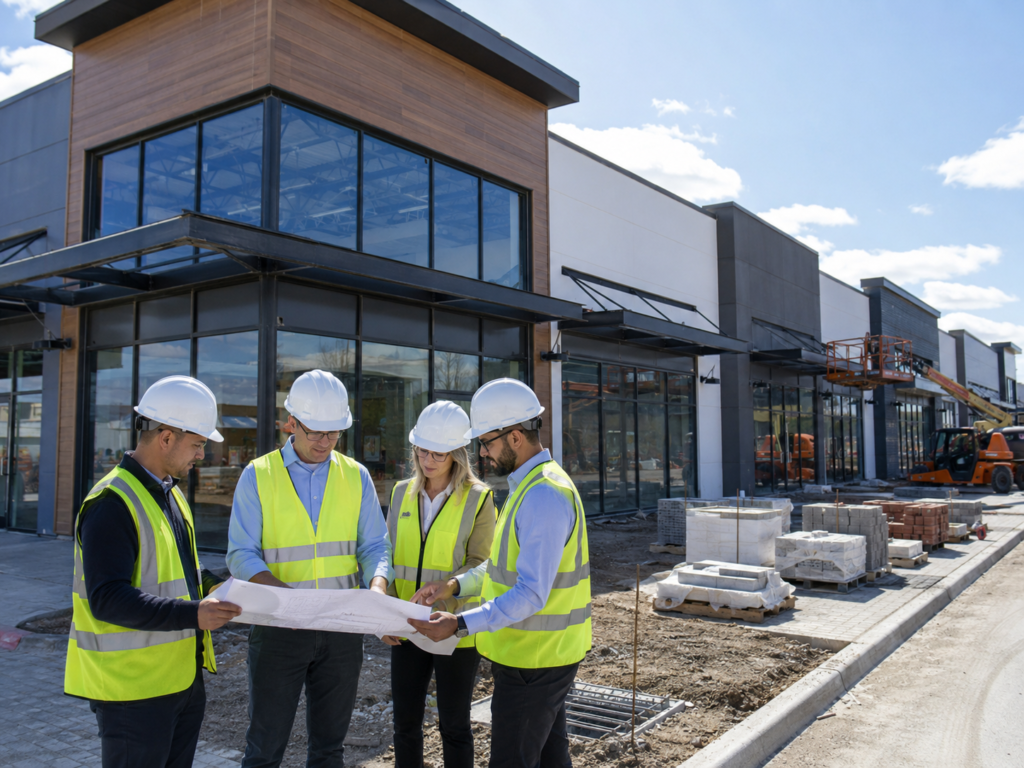
What should clients do next?
If you are planning construction work, the safest approach is to consider CDM as early as possible. Before appointing contractors or finalising designs, it is worth reviewing who will hold each dutyholder role, what information is already available, what risks are known, and where further advice is needed.
For commercial clients, this can make the entire process more controlled. It helps clarify responsibilities, reduce avoidable risk and create a better foundation for successful project delivery.
CCM works with clients across commercial, retail and energy construction projects, helping to coordinate the right people, manage compliance requirements and keep projects moving with clear oversight.
Planning a commercial construction project? Speak to Countrywide Construction Management about CDM Principal Designer services, CDM support, and end-to-end construction compliance across commercial, retail and energy projects.