Table of Contents
On commercial construction projects, most cost overruns and delivery issues can be traced back to decisions made before work starts on site. Architectural design is where those decisions are shaped. This involves much more than producing drawings. The right design input can shape how a site functions, how costs are controlled, how risks are reduced and how smoothly the project moves into construction.
For businesses planning a new commercial building, retail fit-out, refurbishment, forecourt upgrade, or EV charging installation, early design decisions can have a major impact on project success. Good design gives the project structure before work begins on site. It helps define the scope, test feasibility, support planning and building control requirements, and provide contractors with the information they need to price and deliver the work accurately.
Countrywide Construction Management supports commercial, retail and energy projects across the UK, with architectural design services forming part of its wider project management, cost control, CDM, risk management and on-site monitoring support.
What are architectural design services?
Architectural design services cover the planning, development and technical design work needed to take a construction project from an early idea through to a coordinated proposal. This can include concept design, site layout planning, feasibility work, detailed drawings, design coordination, specification input and support with planning or building regulation requirements.
When working with commercial clients, the process usually starts with understanding what the space needs to achieve. A retail unit will have different priorities from those of a commercial office, industrial building, forecourt, or EV charging hub. Layout, access, customer movement, operational requirements, servicing needs and future maintenance all need to be considered before the project reaches construction.
This is where architectural and building design consultants reduce risk, improve cost certainty, and support delivery. They help translate business requirements into a workable scheme, while identifying issues that could affect cost, programme or delivery. Rather than treating design as a purely visual exercise, strong commercial architectural services consider how the finished space will be used, built and maintained.
Why commercial projects need early design input
Many construction issues begin before work starts on site. If the scope is unclear or drawings are not properly coordinated, contractors will price against different assumptions. This typically leads to cost gaps, construction variations, and programme delays once the project is live.
Early design input helps reduce that uncertainty. It gives clients a clearer understanding of what is possible, what approvals may be needed, what constraints could affect the programme, and what budget level may be required.
On retail projects, access and the flow of customers are often underestimated at the concept stage. If this is not resolved early, it can lead to redesign during construction, delayed approvals and disruption to live trading environments. For commercial clients, this is particularly important because construction projects often need to work around live business priorities. A retailer may need to limit downtime, a landlord may need to protect tenants’ access, or an energy project may need to coordinate utilities, vehicle movement, and public safety.
Architectural design and surveying services
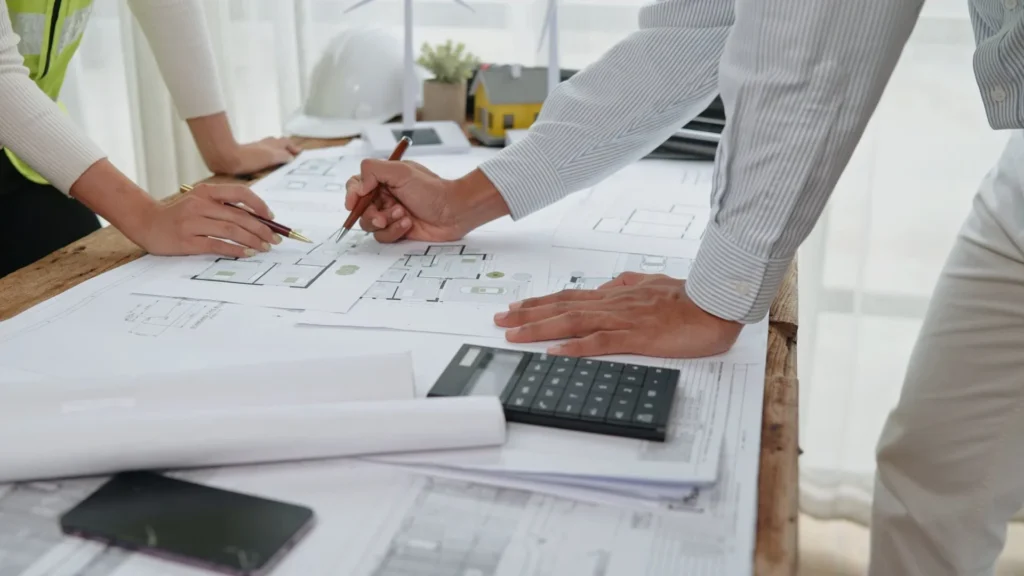
Architectural and surveying services often work closely together on commercial projects. While architectural design focuses on the proposed layout, appearance and technical development of the scheme, surveying input can help establish the condition, constraints and practical realities of the existing site or building.
On refurbishment projects, incomplete site information is one of the most common causes of delay. Existing structures, services, and previous alterations often differ from the original drawings, which can affect both cost and buildability.
Surveying input can also support better budgeting. When the design team better understands the site, they can reduce assumptions and provide more useful information for cost planning. That gives clients a stronger basis for making decisions before contracts are agreed.
The role of design in cost control and delivery
Design has a direct impact on project cost. A poorly defined commercial design can lead to pricing gaps, contractor queries, variations, and programme pressure. By contrast, a well-developed design gives the project team a clearer basis for procurement and delivery.
This does not mean every detail needs to be fixed from day one. It means the design process should be structured, with the right level of information available at the right stage. Early design should help the client understand feasibility and direction. Detailed design should support pricing, approvals and construction. Site-stage design support should help maintain quality and resolve issues without losing sight of the agreed project objectives.
CCM integrates architectural design with project management, cost control, CDM and on-site monitoring. This ensures design decisions are aligned with delivery from the outset, rather than being treated as a standalone stage that ends before construction begins.
What typically goes wrong without proper architectural design input
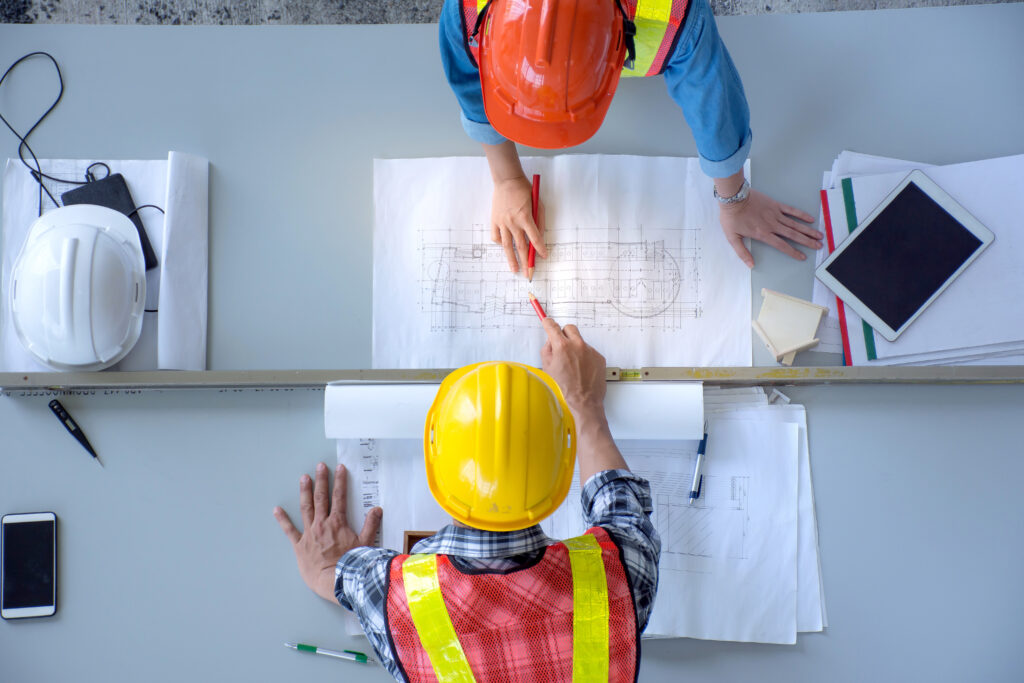
On commercial construction projects, issues rarely start on-site. They usually begin earlier, when design information is incomplete, uncoordinated or developed without full consideration of how the project will be delivered.
Common problems include:
- Inconsistent contractor pricing
When drawings and specifications are unclear, contractors make their own assumptions. This leads to a wide range of prices, making it difficult to compare tenders and increasing the risk of cost gaps later. - Late design changes during construction
Gaps or clashes in the design often only become visible once work has started. Resolving these on-site can lead to redesign, sequencing disruption, and additional costs. - Planning and approval delays
If design proposals are not properly developed or aligned with requirements, planning and building control approvals can take longer or require revisions, impacting the overall programme. - Buildability issues
Designs that work in principle may not always work in practice. Without proper coordination with structural, services and site constraints, contractors may need to adapt the design during construction, affecting quality, time and cost. - Increased variations and loss of cost control
Poorly defined design information often results in a higher number of variations. This makes it harder to maintain budget control and can strain relationships between clients, contractors and consultants. - Programme delays
Design uncertainty, late decisions, and on-site problem solving all contribute to delays. For commercial clients, this can directly affect operations, revenue and tenant or customer access.
These issues are avoidable. A well-structured architectural design process, developed alongside project management and cost control, provides the clarity needed for accurate pricing, smoother approvals, and more reliable on-site delivery.
Choosing architectural design consultants
The right design partner should be able to help the client ask better questions early in the process. Is the scheme practical? Are there site constraints that could affect delivery? Is there enough information for accurate pricing? Will the design support long-term use and maintenance? These questions are easier to answer before work begins than during construction.
If you are planning a commercial project and want to avoid cost overruns, design gaps, or construction delays, CCM can support architectural design throughout project delivery, cost control, and risk management from the outset.