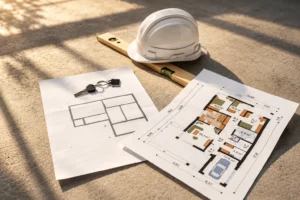
Construction procurement is the process used to decide how a project will be designed, priced, contracted and delivered. It determines who will be appointed, how the design and construction teams will work together, and where responsibility for cost, programme, quality and risk will sit.
The Joint Contracts Tribunal describes procurement as the activities undertaken by a client seeking to bring about the construction or refurbishment of a building. In practical terms, it answers one important question: how will the project be built?
There is no single route that is right for every project. A method that works well for a straightforward commercial refurbishment may be unsuitable for a complex, phased development or a live retail environment. The right approach depends on the client’s priorities, the maturity of the design, the required completion date and the level of risk the client is prepared to retain.
What Does Construction Procurement Include?
Construction procurement is wider than tendering. Tendering is the process of inviting and assessing bids; procurement is the overall strategy that shapes those appointments and the contractual structure behind them.
RICS distinguishes between a procurement strategy and a procurement route. The strategy concerns the selection of the project team and how its members will relate to one another. The route identifies who will be responsible for each element of the project.
A good strategy should consider the client’s objectives, programme, budget, design requirements, attitude to risk and the way consultants, contractors and specialists will be appointed. These decisions create the commercial framework within which the project will be delivered.
The selected route should reflect whether the client’s priority is early cost certainty, a fast start, close design control or flexibility as the project develops.
The Main Construction Procurement Routes

The four routes most commonly considered are traditional procurement, design and build, management contracting and construction management. Each offers a different balance between design control, programme flexibility, cost certainty and client risk.
1 Traditional Procurement
Under traditional procurement, the client appoints the design team, which develops the design before contractors are invited to tender. The successful contractor is then appointed to construct the project in accordance with the completed information.
JCT guidance on traditional procurement identifies two defining features: design is separate from construction, and the client normally provides full tender documentation before appointing the contractor.
This route gives the client strong design control and provides a clear basis for comparing tenders because bidders are pricing the same information. Where the design is complete and the scope is clear, it can also provide useful cost certainty before work starts.
The trade-off is time. The design normally needs to be well developed before the main tender begins, leaving less opportunity to overlap design and construction. Traditional procurement often suits projects where design quality, specification and client control are particularly important.
2 Design and Build
Under design and build, the main contractor accepts responsibility for both completing the design and carrying out the construction work. The client sets out its requirements, and tendering contractors explain how they will meet them.
JCT guidance on design and build describes this as a route in which the contractor undertakes both design and construction, usually for an agreed lump-sum price. The exact level of design responsibility still depends on the contract and the information prepared before appointment.
The main advantages are single-point responsibility and the potential to overlap design and construction. Contractor knowledge can be introduced earlier, and the client may gain visibility of the contract price sooner.
However, the quality of the Employer’s Requirements is critical. If the client’s operational, material or design expectations are not clearly stated, the completed solution may meet the basic contract requirements without reflecting the original intention. Changes after appointment can also be expensive.
Design and build can suit clients who value programme efficiency and a simpler contractual structure, provided the brief is sufficiently clear before responsibility is transferred. CCM’s architectural design services can help turn operational priorities into coordinated information that protects the intended outcome.
3 Management Contracting and Construction Management
Both management routes divide the work into separate packages and allow design, procurement and construction to overlap. The important difference is who appoints the package contractors.
Under management contracting, the client appoints a management contractor, which then appoints and manages the works contractors. The management contractor contributes to buildability, programming and package coordination rather than carrying out the work directly. JCT explains the management route in more detail.
Under construction management, the client appoints a construction manager to coordinate the project but enters into separate contracts directly with the trade contractors. The client therefore carries greater contractual and financial responsibility.
These routes can be valuable on large, complex or time-sensitive projects because early packages can begin while later design information is completed. The main limitation is reduced early cost certainty, as the final cost develops when individual packages are designed and tendered.
They are therefore better suited to clients with experienced advisers and strong decision-making processes. They should not be selected solely because they appear to provide a quicker route to starting on site.
How Should a Client Choose the Right Route?
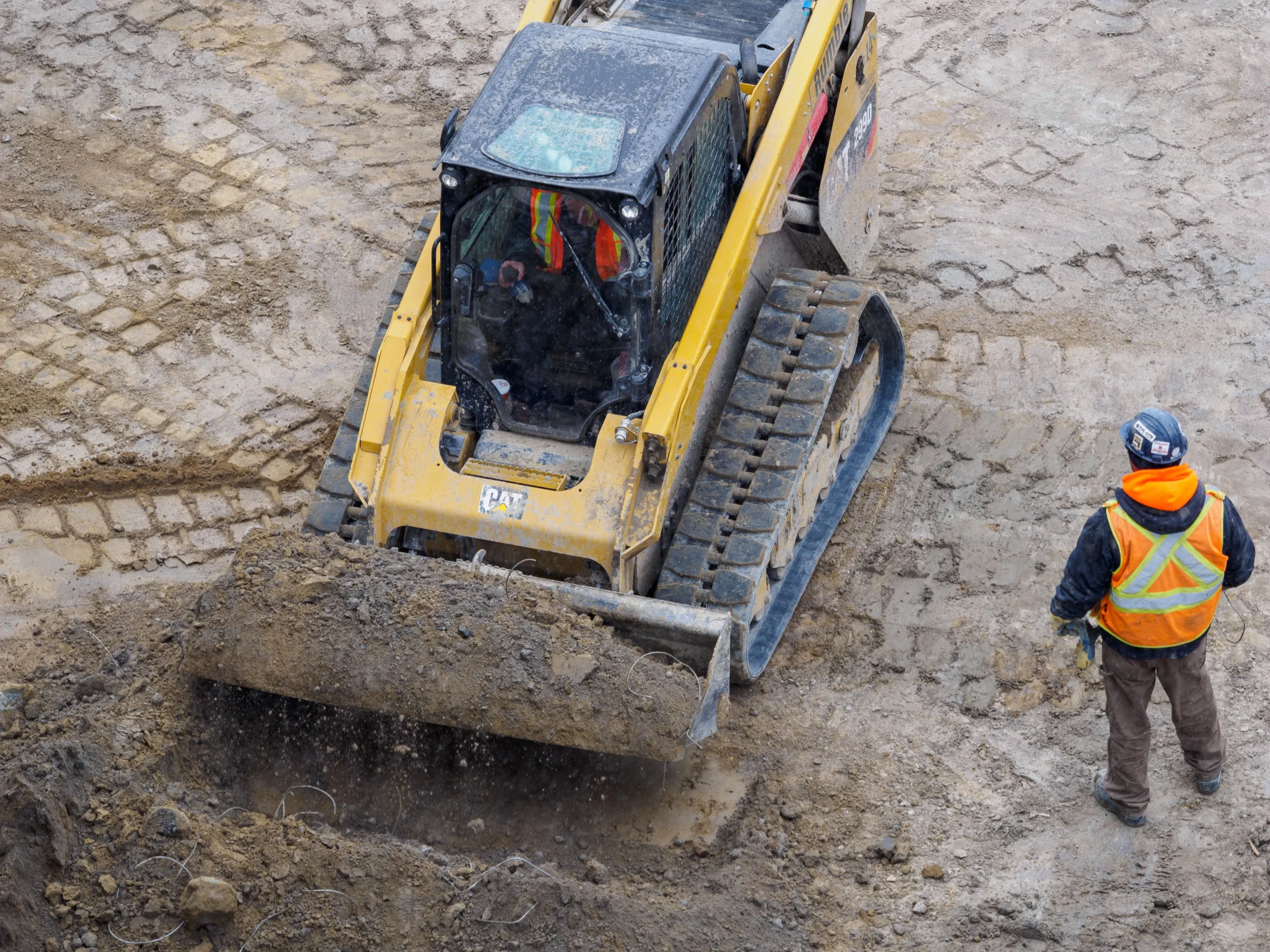
The starting point should be the client’s priorities, not the route used on a previous project. RICS guidance recommends considering time, cost, quality, risk and the relationships between the parties before selecting an approach.
1 Cost Certainty and Programme
If a reliable price is required before committing to construction, the design and scope must usually be developed far enough for contractors to assess them properly.
Traditional procurement can support this where the tender information is complete. Design and build may also provide earlier price certainty, but only when the Employer’s Requirements clearly define what the contractor must provide.
Management routes allow earlier work to begin, but the final cost develops as packages are procured. This can be appropriate where speed is more important than fixing the total price at the outset, but it requires disciplined budget and cost control throughout delivery.
An early start is only valuable when the first packages are sufficiently defined. Beginning on site with unresolved design decisions can create more queries, changes and rework rather than a genuinely shorter programme.
Clients should therefore consider the full programme from briefing and design through to completion, rather than judging a procurement route only by how quickly construction can begin.
2 Design Control and Project Complexity
Traditional and management routes generally allow the client’s design team to remain closely involved. This can be important where appearance, customer experience, operational layouts or technical standards are central to the business case.
Design and build transfers more responsibility to the contractor, so the client must define its requirements clearly and establish suitable review procedures before appointment.
Complex projects may benefit from early contractor or specialist input. Phased works in an occupied building, specialist energy infrastructure or a live retail project may require detailed advice on sequencing, access and logistics.
Management routes can provide this early input, but they also require stronger client-side management. A simpler project may not justify the additional contractual and administrative complexity.
The client should also consider how quickly decisions can be made. Routes involving developing designs or several work packages rely on timely approvals and effective communication. Delayed decisions can undermine the programme advantages the route was intended to provide.
3 Risk Allocation
Risk should not automatically be passed to the contractor. Government guidance on risk allocation warns that inappropriate risk transfer can increase prices, discourage bidders or lead to heavily qualified submissions.
The project team should identify major risks and decide which party has the information and control needed to manage them. These risks may include:
- Ground conditions
- Existing-building information
- Utilities and service capacity
- Planning and statutory approvals
- Inflation and market conditions
- Design development
- Access and logistics
- Long-lead materials or equipment
- Operational restrictions
For example, asking a contractor to accept full responsibility for unknown existing-building conditions may not remove the risk. The contractor may instead include a substantial allowance, exclude the risk from its tender or seek additional payment when the condition is discovered.
A balanced approach should give each risk to the party best able to understand, control or reduce it. CCM’s construction risk management service supports this process by identifying risks early and establishing practical actions before they affect cost or programme.
From Procurement Strategy to Contractor Appointment

Once the route has been selected, it needs to be turned into a controlled contractor-selection process.
This normally includes defining responsibilities, preparing the tender programme, identifying suitable contractors, coordinating the tender information and deciding how submissions will be evaluated.
Price is important, but it should be reviewed alongside:
- Relevant experience
- Proposed programme
- Available resources
- Delivery methodology
- Quality-management approach
- Commercial qualifications
- Exclusions and assumptions
- Proposed design responsibilities
- Identified project risks
A low tender may omit work, rely on assumptions or contain qualifications that make it more expensive once construction begins. Returns should therefore be assessed on a like-for-like basis, including pricing, exclusions, programme, methodology and delivery risk.
The tender information should be sufficiently clear for contractors to understand what they are being asked to price. Gaps or conflicting information can result in different tenderers making different assumptions, making meaningful comparison difficult.
Procurement should be considered during the early briefing and design stages, rather than left until the client is ready to issue a tender. Early decisions about packaging, responsibilities and market engagement can influence the design programme, cost plan and construction sequence.
The selected form of contract should also reflect the chosen procurement route and allocation of responsibility. Contract terms should clearly record matters such as design responsibility, payment, changes, programme obligations and the treatment of identified risks.
How CCM Supports Construction Procurement
Countrywide Construction Management helps clients develop and implement procurement strategies that reflect the project’s actual priorities.
Through its construction project management services, CCM can coordinate the brief, design team, budget, programme, risk reviews and tender process within one delivery structure.
This may include:
- Advising on the procurement route
- Defining project and design responsibilities
- Coordinating tender information
- Preparing the contractor-selection process
- Identifying suitable tenderers
- Managing tender questions
- Reviewing prices, assumptions and exclusions
- Assessing programme and delivery proposals
- Supporting contractor appointment
- Managing the project after the contract is awarded
CCM’s wider project management approach is built around identifying issues early and maintaining oversight of cost, programme and quality throughout delivery. More detail is available on the construction project management services page.
The objective is not simply to secure the lowest tender. It is to appoint the right team on clear terms, with responsibilities that support the required quality, programme and commercial outcome.
Taking the Next Step
Construction procurement shapes how responsibility, cost and risk will be managed throughout a project. Traditional procurement offers strong design control; design and build can provide single-point responsibility; management routes can support early starts and complex delivery but require greater client involvement.
The best route is the one that reflects the project’s real priorities. Agreeing it early creates a stronger foundation for design, tendering, contractor appointment and construction.
LET’S TALK
Planning a commercial, retail or energy project?
Speak to Countrywide Construction Management about a procurement strategy aligned with your budget, programme and delivery objectives.
Frequently Asked Questions
Is Tendering the Same as Procurement?
No. Tendering is one part of procurement. It involves inviting and assessing bids. Procurement is the wider strategy that determines how the team, responsibilities and contractual relationships will be structured.
Which Procurement Route Gives the Greatest Cost Certainty?
Traditional procurement and design and build can both provide relatively strong cost certainty when the scope is clear and the tender information is sufficiently developed. No route removes the cost impact of later changes, incomplete information or risks excluded from the contract price.
When Should the Procurement Route Be Chosen?
It should normally be considered during the early briefing and design stages. Selecting it early allows the design programme, cost plan, risk strategy and tender process to be developed together.